RARA/GBARC 49:1 Balun Building Project
This year’s build project coordinated by the Rockford Amateur Radio Association (RARA) and the Greater Beloit Amateur Radio Club (GBARC) is a 49:1 UNUN impedance transformer for End Fed Half Wave (EFHW) antenna rated at 100 W. A kit has been assembled that includes everything you need to get started: a pre-drilled enclosure, all hardware, toroid and wire for wrapping. The build team will provide hands-on guidance for winding your own toroid, which is the key component that creates the impedance match that makes the EFHW antenna work.
The finished antenna will cover 80 through 10 meters for the 80-meter version, or 40 through 10 meters for the 40-meter version. Experienced builders will be on hand to walk you through every step of the assembly. Note: The kit does not provide the wire you will need to cut for your target band and a counterpoise to match. While you will need to provide the wire to complete your antenna, you will not need to bring it to the event unless you would like guidance. (14-gauge stranded wire is recommended and you will need approximately 166 ft for 80-meter and/or 66 ft for 40-meter).
Sorry all kits are now taken! But you can still come out for a great time!
- Date: Sunday, May 17, 2026
- Time: Swap Meet & Social at 9:00 AM; Build session begins approximately 12:30 PM and continues until finished
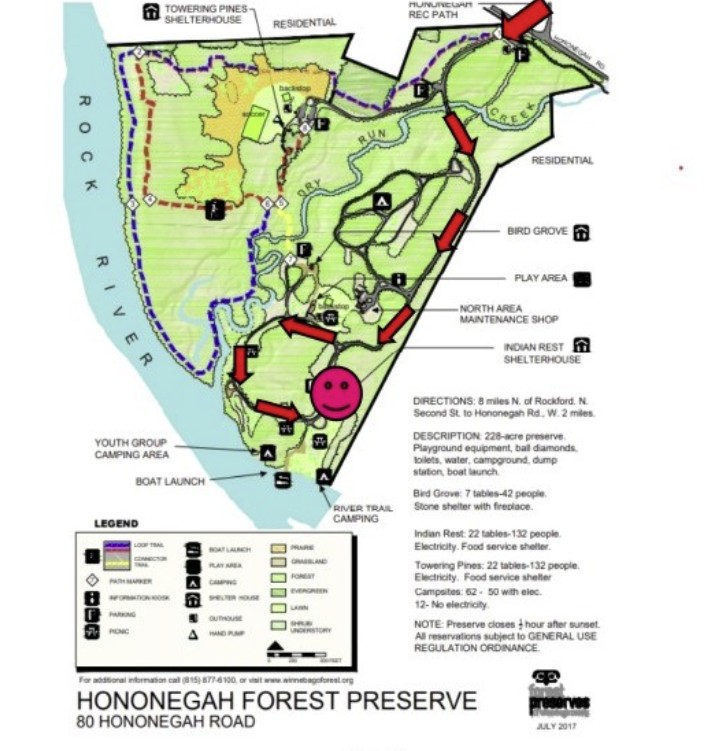
- Location: Hononegah Forest Preserve (Indian Rest Shelter), Rockton, IL
- Lunch: A hot dog lunch will be provided after the Swap Meet (or bring your own)
- To Register: email Verna W9YUM at w9yum.vs@gmail.com and let her know you plan to attend
- Be sure to mark your calendar and get registered.
- On behalf of the RARA and GBARC build team – we look forward to seeing you!